Fashion Styles in Different Cultures and Traditions
Fashion styles reflect the rich culture and traditions of each country, creating a unique identity that goes beyond just everyday wear.
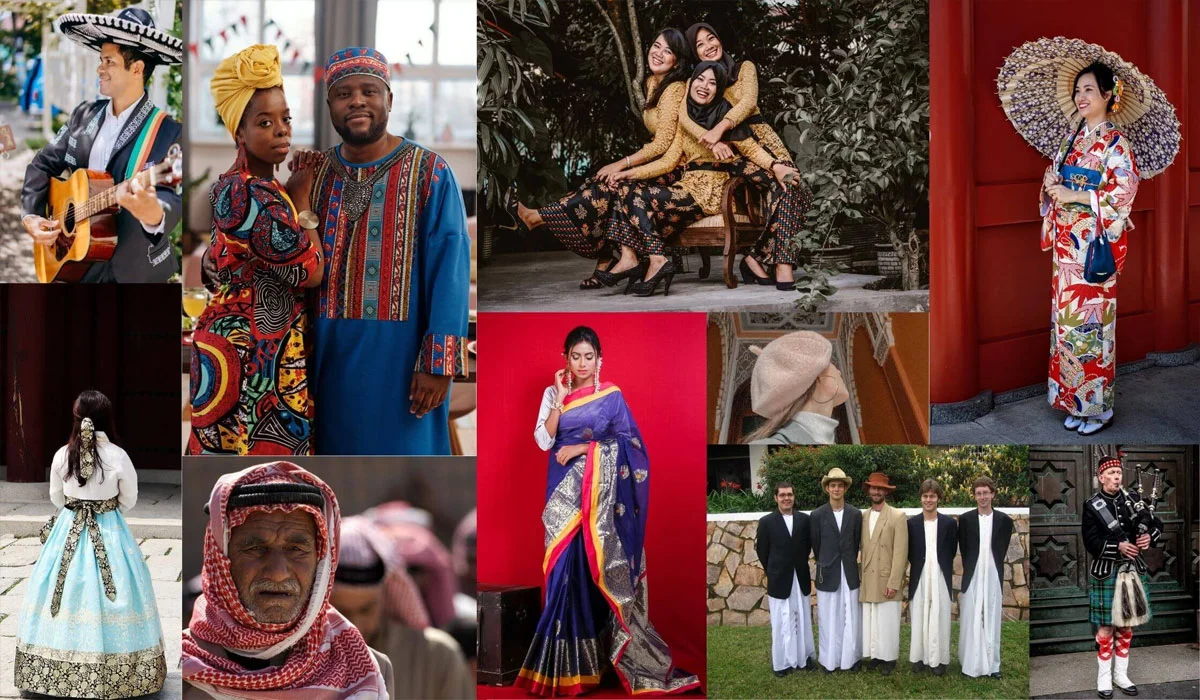
Fashion style not only serves to protect the body, but also reflects the cultural values and traditions of a society. Next Fashion Books – Fantastic Every Season will discuss how fashion styles play an important role in showing the identity of each culture and tradition.
Fashion Styles in Asia
In various Asian countries, fashion styles are heavily influenced by culture and a long history. In Japan, for example, the kimono is a meaningful symbol of tradition. Kimonos with various motifs and colors indicate social status and occasion. In India, the sari and dhoti remain the primary choice for major celebrations and traditional events.
In China, the qipao or cheongsam combine beauty and simplicity in one garment. Each of these garments contains profound symbolism that reflects the way of life of the people in each country. Fashion styles in Asia are also often linked to religious traditions and spirituality, as seen in the use of ritual clothing in Bali, Indonesia. Stylestyles have strong meanings and often serve to uphold cultural values and identity.
Fashion Styles in Europe
Europe has a diverse range of fashion styles with a long history and diverse influences. In France, for example, haute couture is renowned, reflecting the luxury and artistry of exceptional design. European fashion styles often focus on elegance and modesty. In England, traditional attire such as suits and top hats are often worn at formal occasions.
Meanwhile, in Italy, casual wear with a touch of elegance is trending. Each European country has its own distinctive characteristics reflected in its traditional clothing. For example, national attire like the German dirndl or the Scottish kilt is closely linked to the history and culture of the local people. European fashion styles are also influenced by changing times and evolve according to global trends.
Also Read: The Art of Self-Expression Through Personal Style
Fashion Styles in Africa
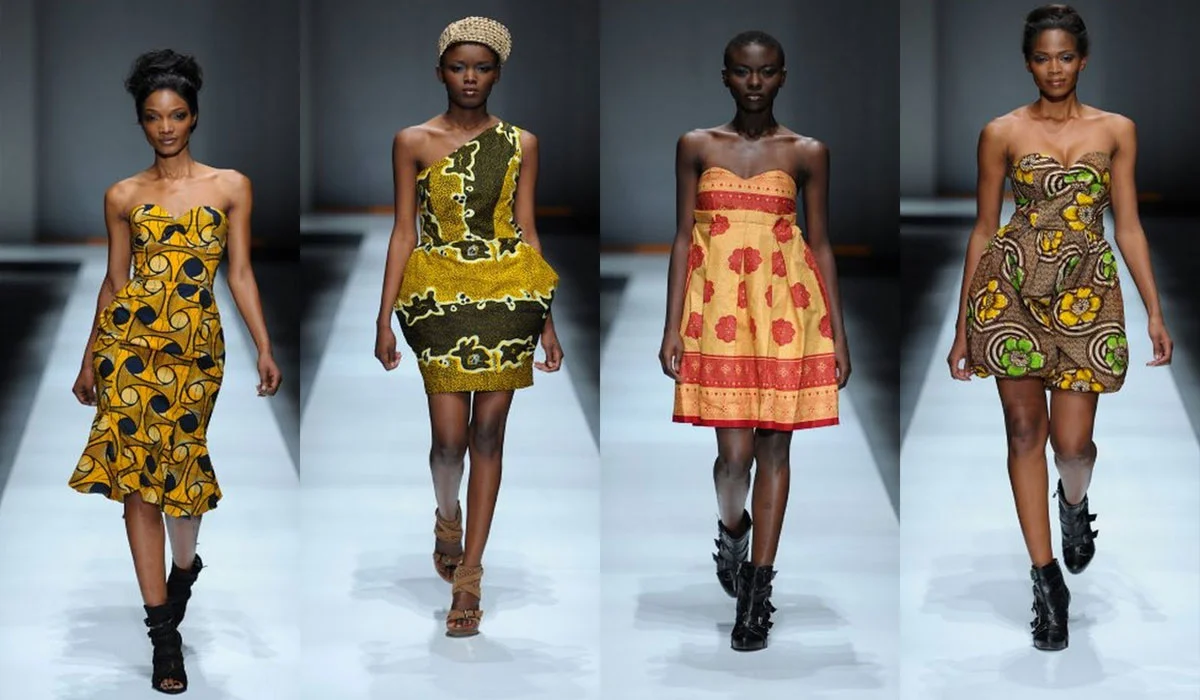
In Africa, fashion styles vary greatly depending on the region and ethnic group. Traditional clothing like the dashiki in West Africa or the boubou in Central Africa demonstrates pride in their cultural heritage. These garments are made from distinctive, brightly colored, and patterned fabrics, reflecting the vibrancy and richness of the culture.
In South Africa, for example, clothing inspired by Zulu culture is rich in ornamentation. And accessories, indicating one’s social status within the community. African fashion styles are also heavily influenced by natural factors, such as the use of natural materials from plants or animal skins in traditional clothing. Through clothing, Africans express their identity, honor their ancestors, and celebrate the culture that has been passed down from generation to generation.
Fashion Styles in America
In America, fashion styles are heavily influenced by cultural diversity. In North America, clothing like jeans and leather jackets have become iconic symbols of casual style. Meanwhile, in South America, traditional clothing such as the poncho in Argentina or the guayabera in Cuba has become a strong cultural identity.
Fashion in the Americas often reflects a spirit of freedom and individuality. With many people experimenting with styles that are not bound by traditional norms. Fashion in the Americas is often dynamic and quickly adapts to global trends. However, traditional clothing worn at festivals or celebrations still maintains a connection to the history and cultural identity of local communities.
The Influence of Fashion Styles on Globalization
With globalization, traditional fashion styles are increasingly being adapted and worn in modern contexts. Many designers incorporate traditional elements into their creations, creating more inclusive and diverse trends.
In many major cities around the world, traditional fashion styles are worn at various events and festivals to celebrate cultural diversity. Garments such as kimonos, saris, and dashikis are now frequently worn at international events, introducing cultural heritage to the world. However, it is important to respect the cultural significance of each garment to avoid losing the essence of the style.
Image Information Source:
First Image from: blog.speak.social
Second Image from: rightforeducation.org