Beyond Trends: Crafting Identity Through Style
Beyond Trends: Crafting Identity Through Style highlights how fashion becomes a personal language, shaping identity with authentic, meaningful choices.
Below, TEACHING will provide some explanations regarding Reinventing Learning Systems for an Innovation-Driven Future.
The Evolution of Personal Style in a Fast-Changing World
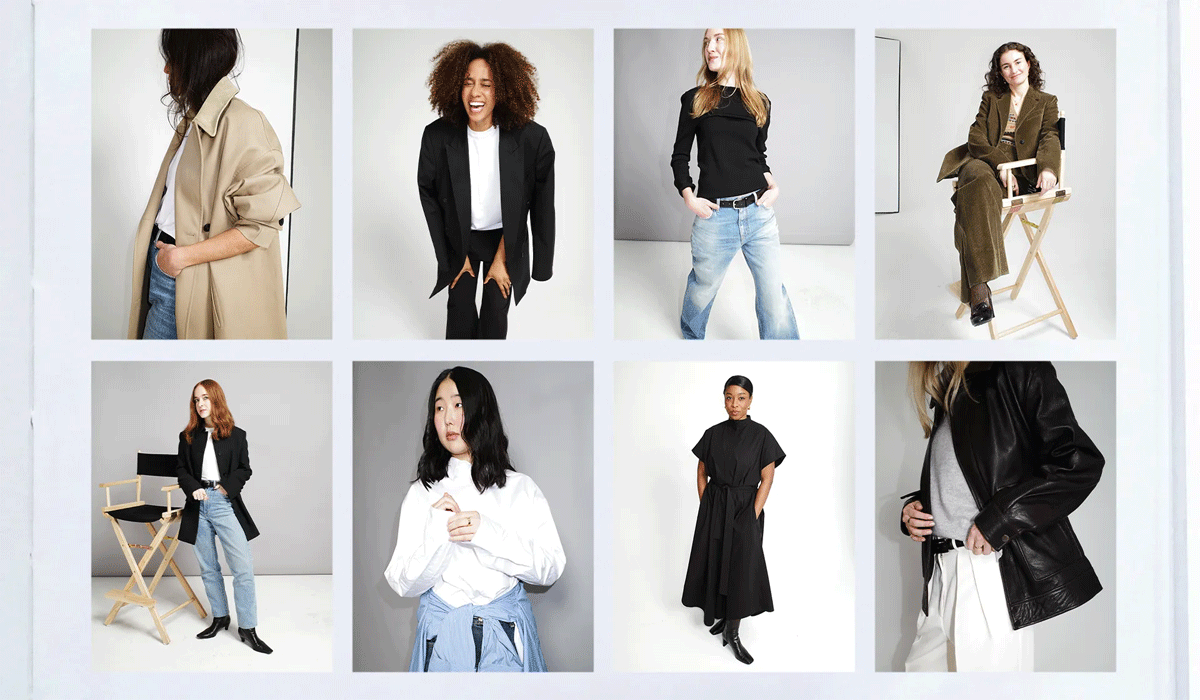
In an era where fashion trends shift at lightning speed, personal style has become more than just following what’s popular it’s about defining who you are. The modern individual is no longer confined to seasonal dictates or influencer-driven aesthetics. Instead, style has evolved into a form of self-expression that reflects personality, values, and lifestyle. From minimalism to maximalism, people are increasingly blending elements from various trends to create something uniquely their own.
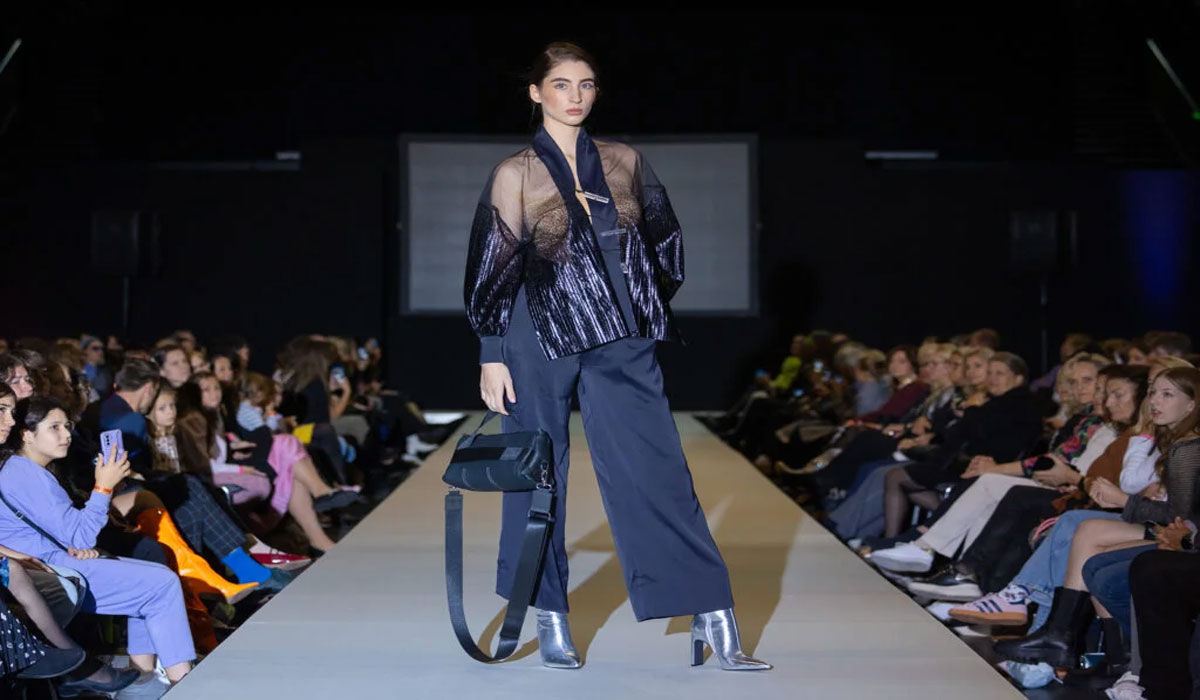
This shift is largely driven by greater access to global fashion inspiration through digital platforms. Social media has democratized style, allowing individuals to explore diverse looks and cultures. As a result, personal style is no longer dictated by fashion capitals alone. It is shaped by everyday people who reinterpret trends in ways that resonate with their identity, making fashion a more inclusive and dynamic space.
The Psychology Behind Style Choices
Clothing choices often reveal more than just aesthetic preferences they provide insight into an individual’s mindset and emotional state. Psychologists suggest that what we wear can influence how we feel and how others perceive us. For instance, wearing structured outfits may evoke a sense of confidence and authority, while relaxed attire can create feelings of comfort and ease. This connection between clothing and emotion highlights the deeper role fashion plays in everyday life.
Moreover, style can act as a powerful communication tool. Without saying a word, individuals can convey messages about their profession, cultural background, or personal beliefs. This silent language of fashion allows people to connect with others who share similar values or tastes. In this sense, style becomes more than appearance it becomes a narrative that evolves alongside personal growth and life experiences.
Read Also: Style That Speaks: The Language Of Modern Fashion
Sustainability and Conscious Fashion Choices
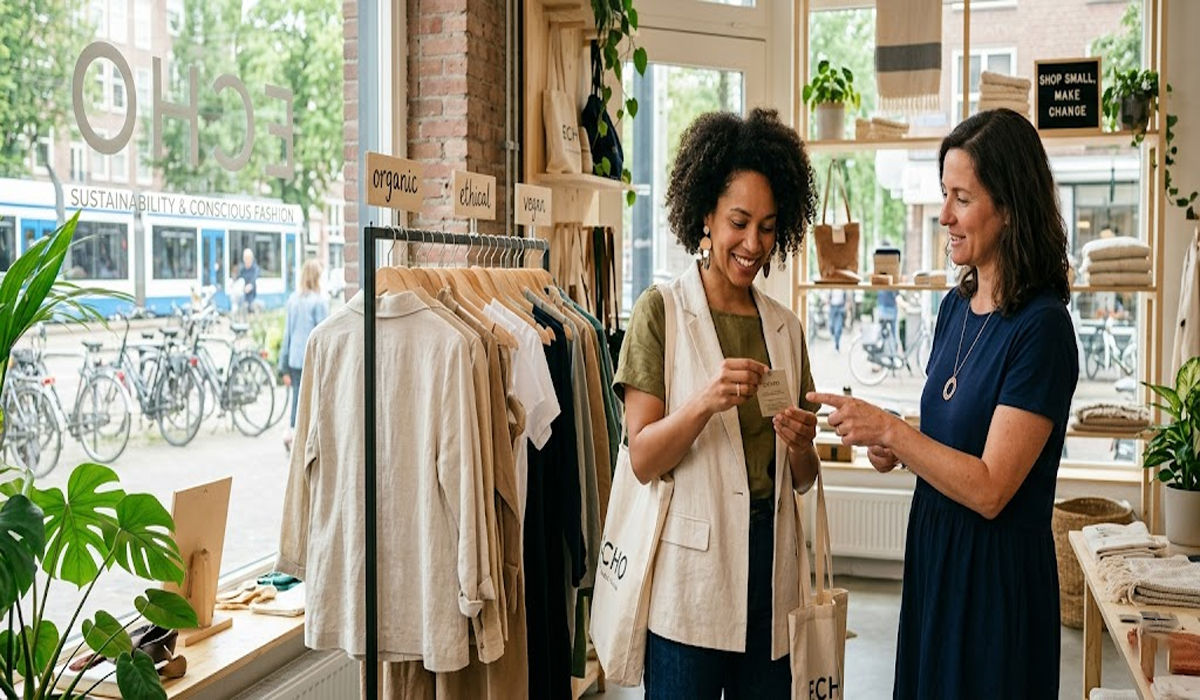
As awareness of environmental issues grows, many individuals are rethinking their approach to fashion. Fast fashion, once celebrated for its affordability and accessibility, is now being scrutinized for its environmental impact. Consumers are increasingly turning to sustainable alternatives, such as thrift shopping, upcycling, and investing in high-quality, long-lasting pieces.
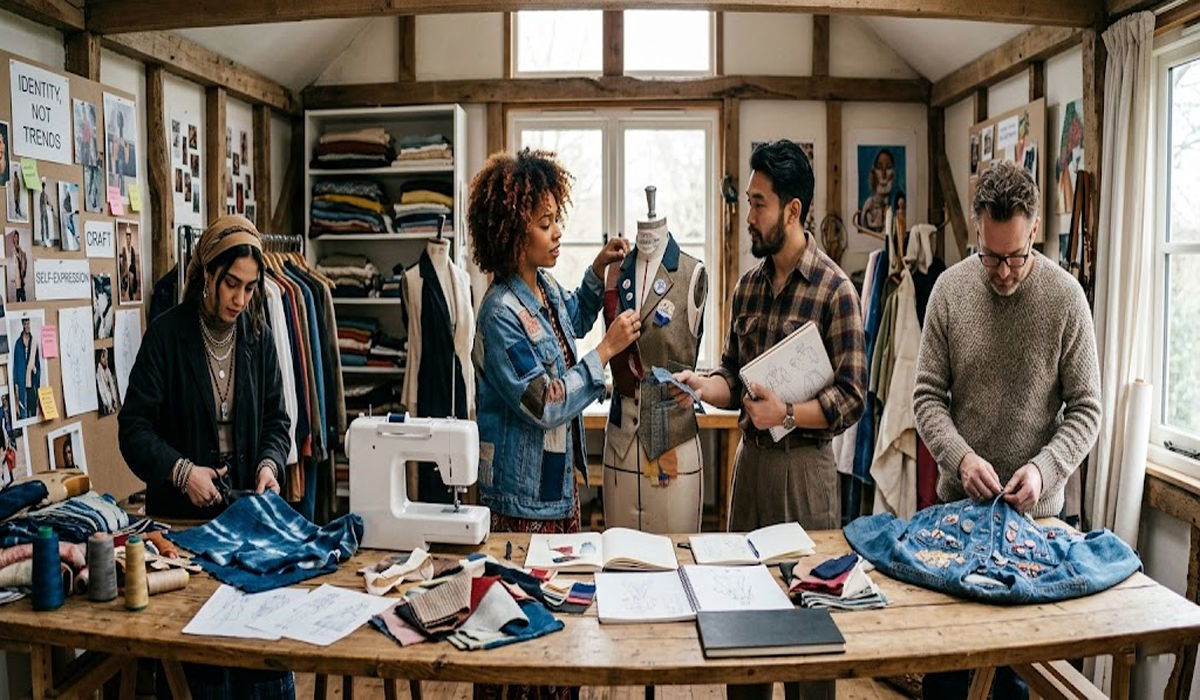
This shift toward conscious consumption is not only about protecting the planet but also about creating a more meaningful relationship with clothing. By choosing pieces that align with their values, individuals can build wardrobes that reflect both their identity and their commitment to sustainability. This mindful approach encourages a deeper appreciation for craftsmanship and reduces the impulse to constantly chase fleeting trends.
Building a Signature Style That Lasts
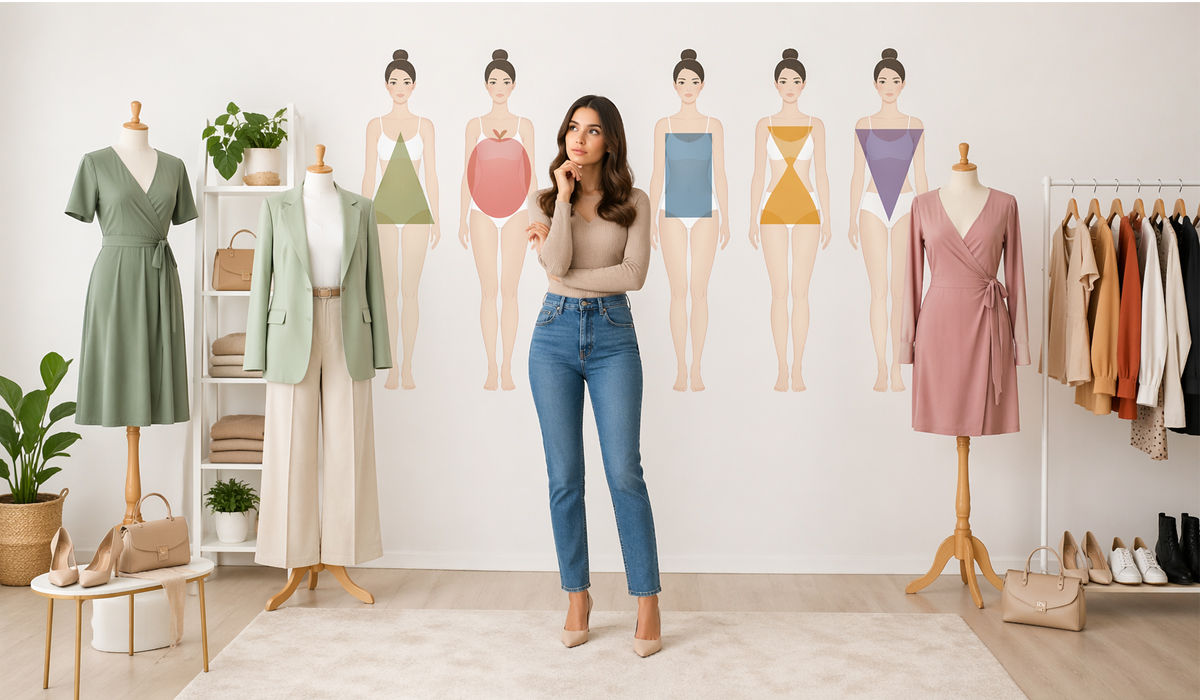
Crafting a signature style requires intention, experimentation, and self-awareness. It begins with understanding what makes you feel confident and authentic. Rather than following every new trend, individuals are encouraged to identify key pieces, colors, and silhouettes that resonate with them. Over time, these elements come together to form a cohesive and recognizable personal aesthetic.
Consistency plays a crucial role in developing a lasting style. While it’s important to remain open to evolution, maintaining core elements helps create a strong visual identity. Accessories, layering techniques, and attention to detail can further enhance this uniqueness. Ultimately, a signature style is not about perfection it’s about authenticity. It reflects who you are today while leaving room for growth tomorrow, making fashion a lifelong journey of self-discovery.
For the latest and most interesting related information, you can also click the TEACHING link.
Image Source:
First Image from fashionbooks.uk
Second Image from www.linkedin.com