The Development of Fashion Styles in Modern Life
Explores the evolution of fashion styles in modern life, shaped by culture, technology, trends, and personal identity.
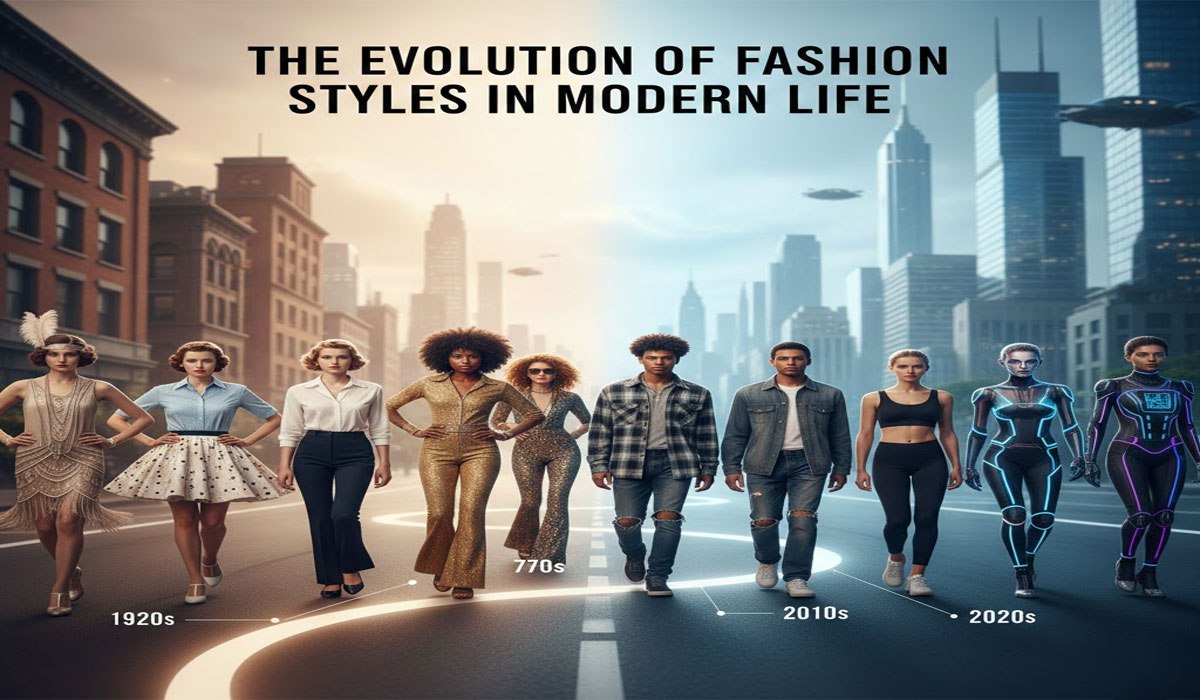
Fashion has always been more than a way to cover the body it is a reflection of society, values, and the changing rhythms of everyday life. In modern times, fashion styles have developed rapidly, influenced by technology, culture, economics, and personal identity. What people wear today is shaped not only by tradition but also by innovation and global interaction.
Historical Roots and Cultural Influence
The development of modern fashion styles cannot be separated from history and culture. Traditional clothing once reflected local customs, climate, and social status, and many of these elements still influence modern designs. Designers often draw inspiration from historical garments, reinterpreting them in ways that suit contemporary lifestyles.
Cultural heritage continues to play an important role, as patterns, fabrics, and silhouettes from different regions are blended into modern fashion. This fusion allows fashion to preserve cultural identity while adapting to changing times, creating styles that feel both familiar and new.
Industrialization and Mass Production
Industrialization marked a turning point in the evolution of fashion. The invention of sewing machines and the growth of factories made clothing more accessible to a wider population. Mass production reduced costs and increased speed, allowing trends to spread quickly across cities and countries.
Ready-to-wear fashion replaced custom tailoring for everyday clothing, changing how people shopped and dressed. As a result, fashion became more democratic, no longer limited to the wealthy. This shift laid the foundation for modern fashion industries and fast-changing seasonal trends.
Also Read: Glow Naturally, Practical Beauty Tips for Radiant Skin
Media, Technology, and Globalization
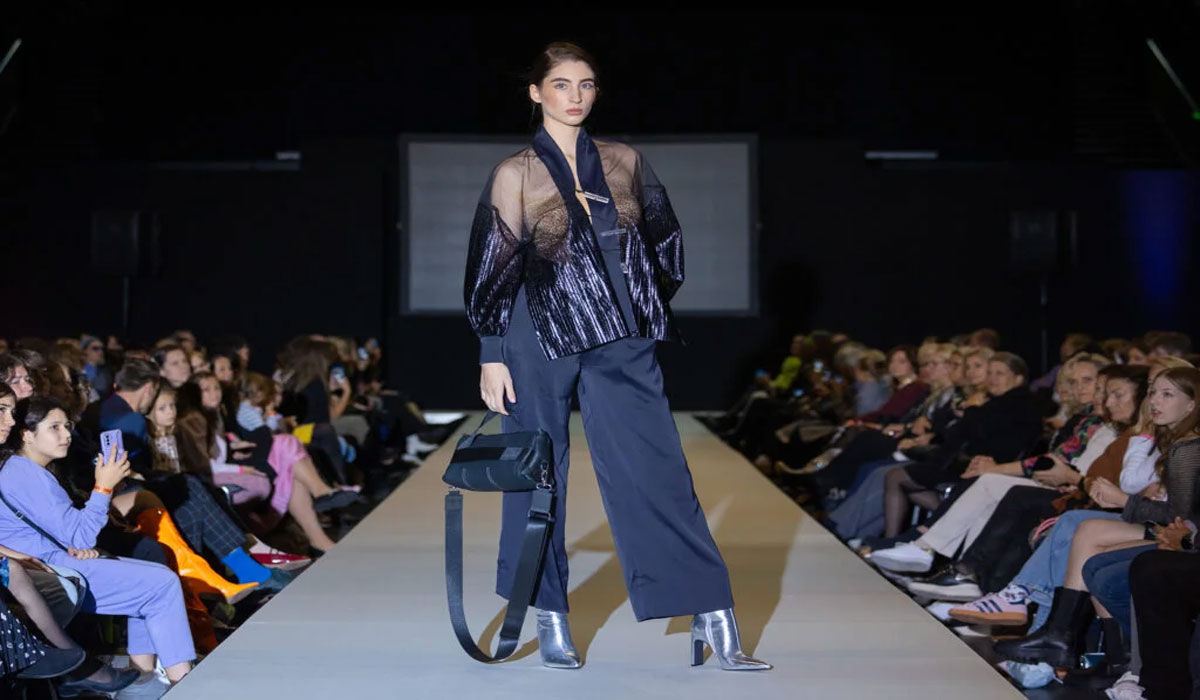
In modern life, media and technology have become major drivers of fashion development. Magazines, television, and especially social media platforms allow trends to circulate globally within seconds. Influencers, celebrities, and designers can shape public taste almost instantly.
Globalization has also encouraged the exchange of styles between different cultures, leading to diverse and hybrid fashion trends. Online shopping and digital fashion shows have further transformed how people engage with fashion, making style inspiration available to anyone with internet access.
Sustainability and Ethical Fashion
As fashion has grown, so has awareness of its environmental and social impact. Modern consumers increasingly care about where their clothes come from and how they are made. This concern has driven the rise of sustainable and ethical fashion, emphasizing eco-friendly materials, fair labor practices, and long-lasting designs.
Designers and brands are now challenged to balance creativity with responsibility. This movement reflects a shift in modern values, where fashion is not only about appearance but also about making conscious and ethical choices.
Individual Identity and Future Trends
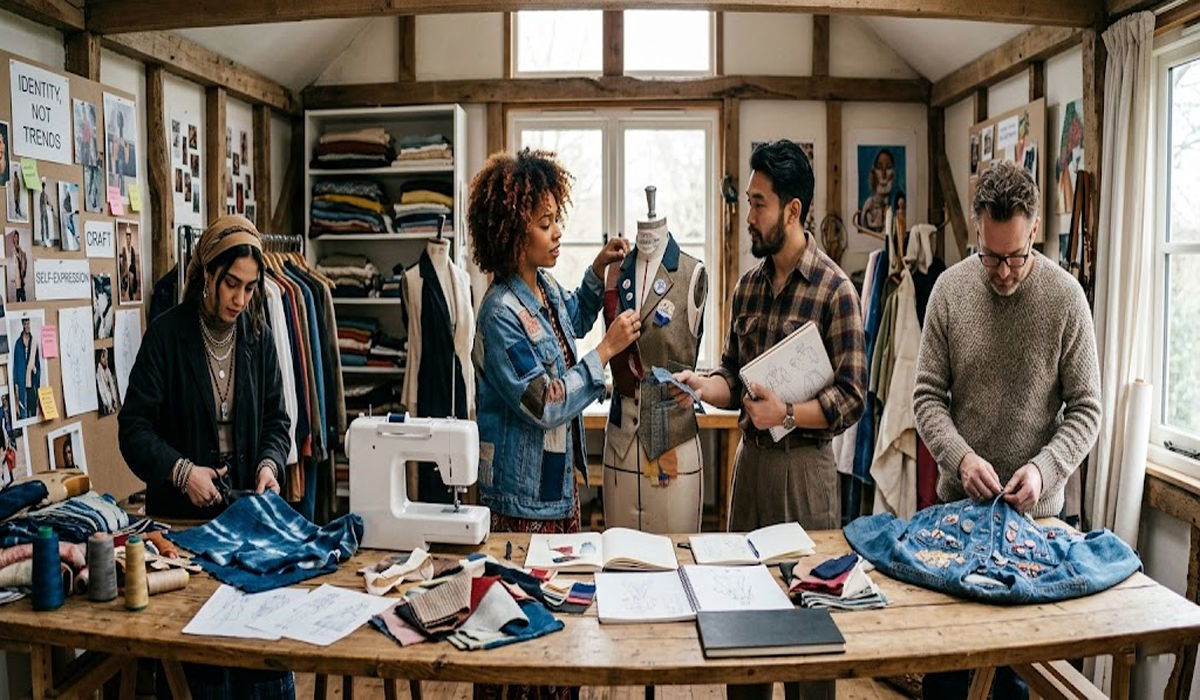
Fashion in modern life is closely connected to personal identity. People use clothing to express their beliefs, moods, and individuality. Unlike the past, when trends were more rigid, modern fashion encourages experimentation and personalization.
Looking ahead, future fashion styles are likely to combine technology, sustainability, and self-expression even more deeply. Innovations such as smart textiles and digital fashion suggest that style will continue to evolve alongside human creativity and technological progress.