How To Determine The Fashion Style That Best Suits Your Character
Determining the fashion style that best suits your character involves understanding your personality, lifestyle, emotional preferences, cultural influences, personal comfort.
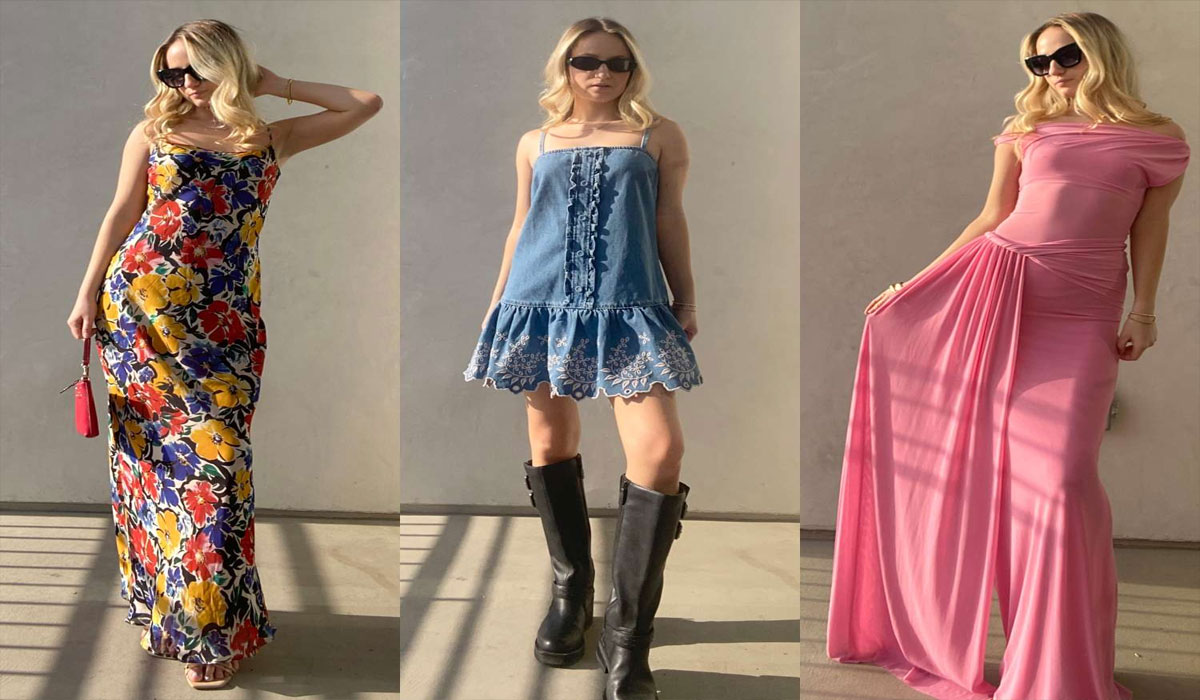
People who possess calm personalities often gravitate toward simple silhouettes, neutral shades, gentle textures. Meanwhile, expressive personalities frequently embrace bold patterns, vibrant tones, dramatic shapes.
Recognizing emotional comfort, energy level, social tendencies helps determine what feels authentic. A person who prefers tranquility might feel overwhelmed by excessive embellishment.
Someone who thrives in dynamic environments may find minimalist attire uninspiring. Honest reflection about temperament helps narrow fashion direction naturally, allowing clothing to enhance self-expression rather than conceal individuality.
Below Fashion Books – Fantastic Every Season will provide interesting information that you must know.
Observing Daily Lifestyle Patterns
Lifestyle plays a vital role in shaping fashion choices. Work routines, commuting habits, leisure activities, climate exposure, social engagements influence wardrobe needs.
A professional working within formal environments requires structured attire, polished fabrics, refined accessories. Creative workers often benefit from relaxed silhouettes, artistic patterns, flexible layering. Active individuals involved in fitness pursuits require breathable materials, ergonomic design, adaptive functionality.
Observing daily activities helps identify comfort priorities, movement requirements, durability expectations. Fashion aligned with lifestyle ensures ease, practicality, consistency.
Wardrobe planning becomes simpler when garments serve real needs rather than aspirational fantasies. Practical consideration enhances satisfaction, reduces impulse buying, builds sustainable fashion habits.
Exploring Emotional Responses Toward Clothing
Emotional connection toward clothing influences personal style deeply. Certain colors evoke calm, confidence, excitement, nostalgia. Fabrics provide sensory comfort, warmth, security.
Silhouettes influence posture, movement, emotional state. Paying attention to emotional responses when wearing various outfits reveals meaningful patterns.
Clothing that evokes confidence enhances social engagement, productivity, self-esteem. Discomfort indicates misalignment between garment choice, emotional preference.
Experimenting with textures, layers, fits, proportions allows emotional awareness to guide selection. Emotional resonance becomes a compass, helping refine fashion identity. Over time, preferred elements emerge naturally, shaping a cohesive personal aesthetic grounded in emotional harmony.
Identifying Influences From Culture, Environment, Media
Cultural background, environmental context, media exposure contribute significantly to fashion perception. Traditional values often shape modesty preferences, fabric selection, color symbolism.
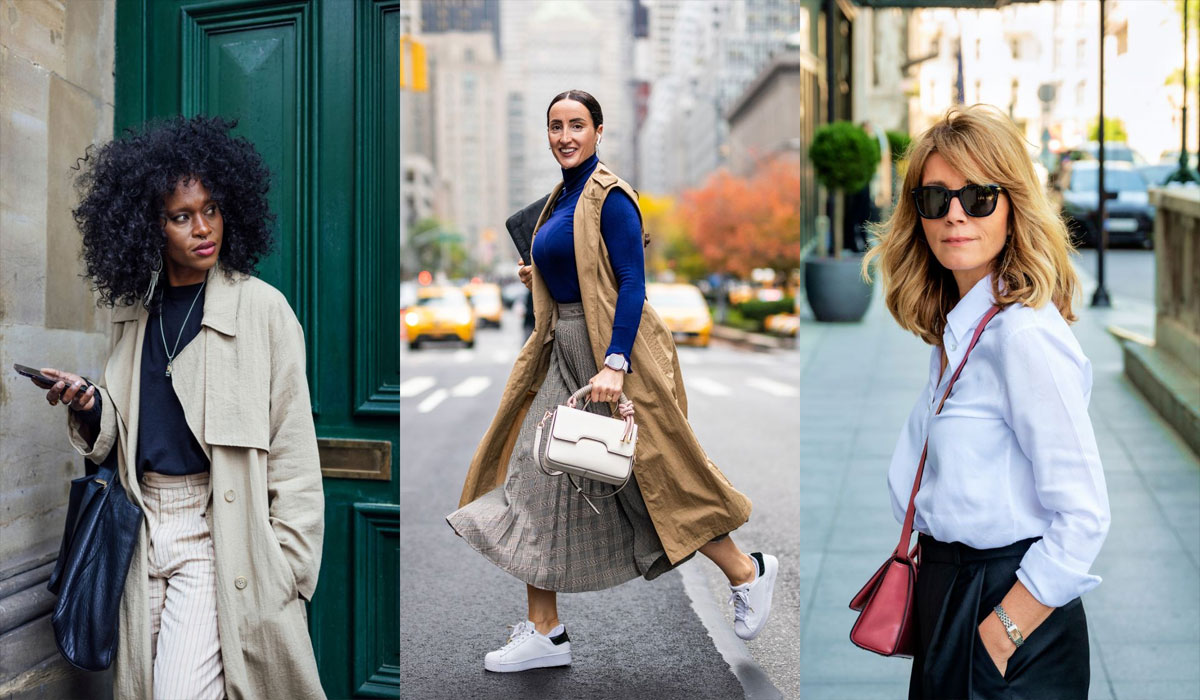
Urban environments encourage modern aesthetics, experimental layering, street influences. Rural settings favor functionality, durability, climate adaptability. Media imagery introduces global trends, celebrity influence, seasonal inspirations.
Evaluating these influences helps separate personal desire from external pressure. Balanced awareness allows individuals to borrow elements that resonate while discarding those that conflict with identity.
Personal style emerges through selective adaptation rather than blind imitation. Conscious influence management cultivates authenticity, reducing fashion confusion.
Building A Sustainable Wardrobe Reflecting True Identity
Once character, lifestyle, emotional response, cultural influence align, building a sustainable wardrobe becomes achievable. Start with foundational pieces that match daily needs, core preferences.
Neutral basics provide versatility, while statement items add personality. Prioritize quality, fit, comfort, durability. Gradual curation allows thoughtful selection, reducing clutter.
A sustainable approach encourages mindful purchasing, wardrobe longevity, environmental responsibility. Fashion becomes a tool for confidence, practicality, creativity.
True style evolves continuously, adapting alongside personal growth. Embracing change ensures authenticity remains dynamic. Ultimately, fashion serves as a visual language, narrating character, aspiration, individuality through thoughtful expression.
Watch and keep following, don’t miss the most complete information regarding Fashion Books – Fantastic Every Season.