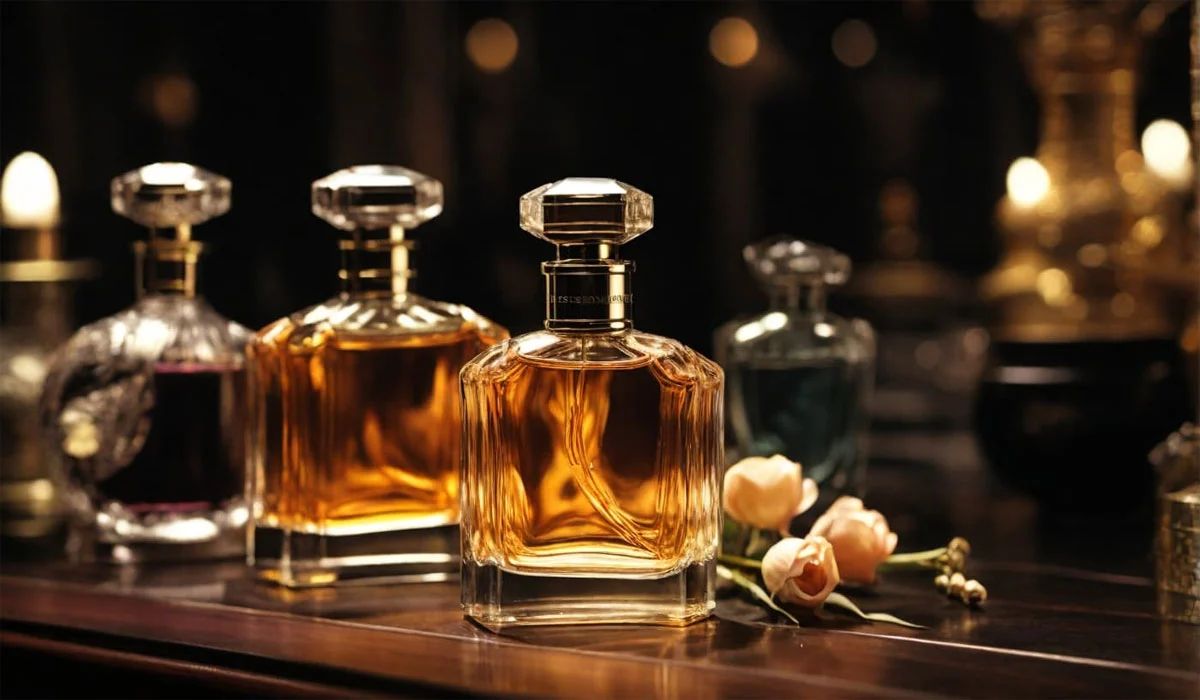
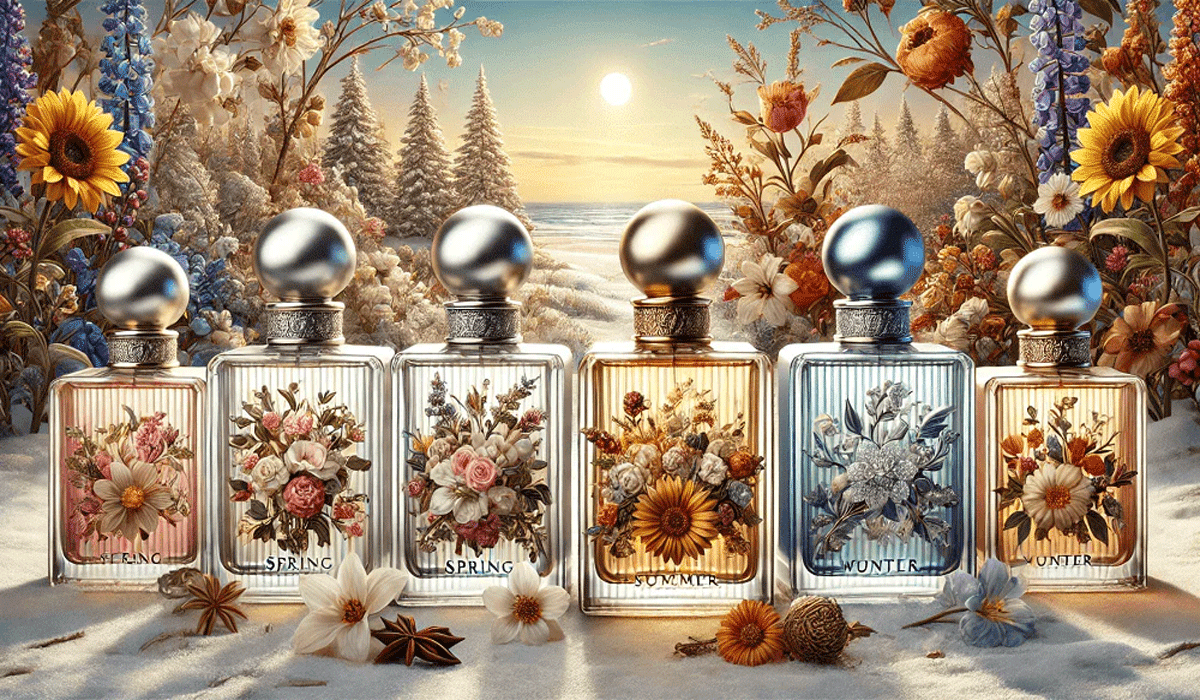
The Secret Natural Ingredients Behind World-Famous Perfumes
For centuries, natural ingredients have formed the backbone of the world’s most iconic perfumes.
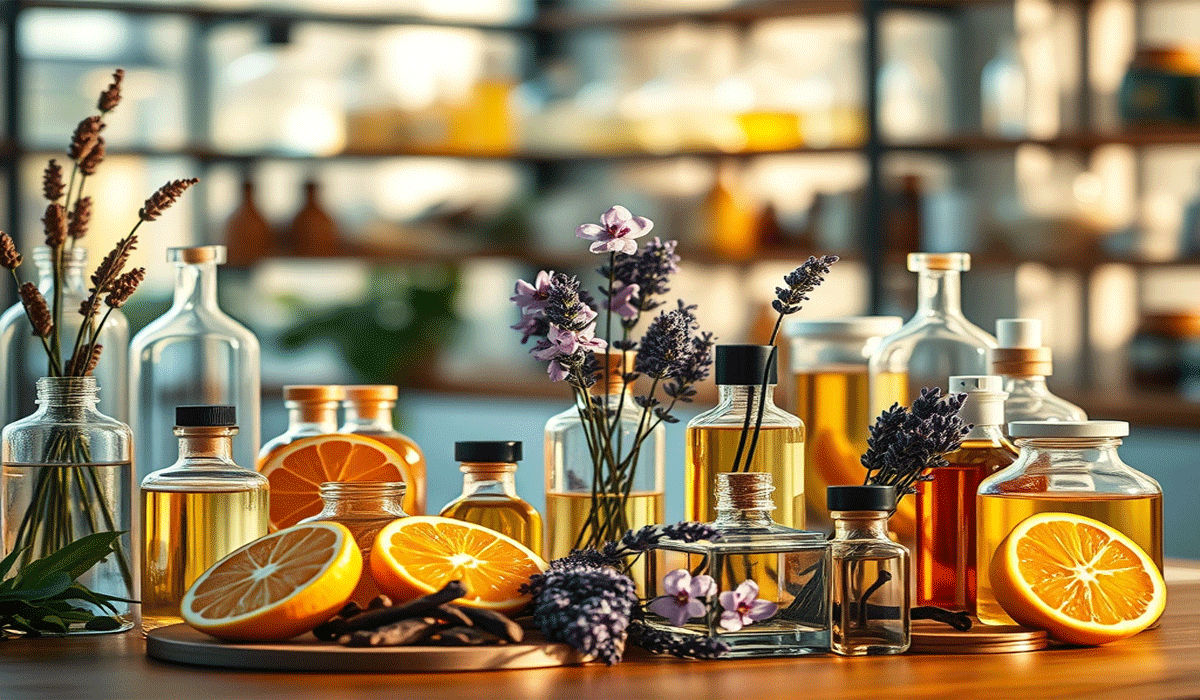
Long before synthetic compounds were introduced, perfumers relied entirely on botanicals, resins, and animal-derived materials to craft captivating scents. These ingredients were often rare, difficult to harvest, and highly valued, making perfumes a symbol of luxury and sophistication across different cultures.
Today, despite the rise of modern chemistry, natural ingredients continue to play a vital role in high-end perfumery. They provide depth, complexity, and authenticity that synthetic alternatives often struggle to replicate. From delicate floral notes to rich woody undertones, these elements help create fragrances that feel alive, evolving beautifully over time on the wearer’s skin.
Below, PARFUME will provide some explanations regarding Reinventing Learning Systems for an Innovation-Driven Future.
Floral Extracts: The Heart Of Elegant Fragrances
Floral ingredients are among the most recognizable and widely used elements in perfumery. Roses, jasmine, and tuberose are often referred to as the “queens of flowers” due to their rich and versatile scent profiles. These flowers are typically harvested at specific times of the day to ensure maximum fragrance potency, then processed into essential oils or absolutes.
The use of floral extracts adds a layer of elegance and emotional appeal to perfumes. A single drop of rose oil, for example, can require thousands of petals, highlighting both the labor and artistry involved. These floral components often form the heart notes of a fragrance, meaning they define the perfume’s character after the initial top notes fade.
Exotic Woods And Resins: Depth And Longevity
Beyond florals, exotic woods and resins are essential in giving perfumes their depth and staying power. Ingredients such as sandalwood, oud, and cedarwood are prized for their warm, earthy tones. These elements often serve as base notes, anchoring the fragrance and allowing it to linger for hours.
Resins like frankincense and myrrh add a mystical, slightly smoky quality that enhances the complexity of a scent. Their ability to blend seamlessly with other notes makes them indispensable in creating balanced and memorable fragrances.
Also Read: Look Stylish: A Guide to Choosing a Perfume to Match Your Outfit
Rare And Unexpected Natural Elements
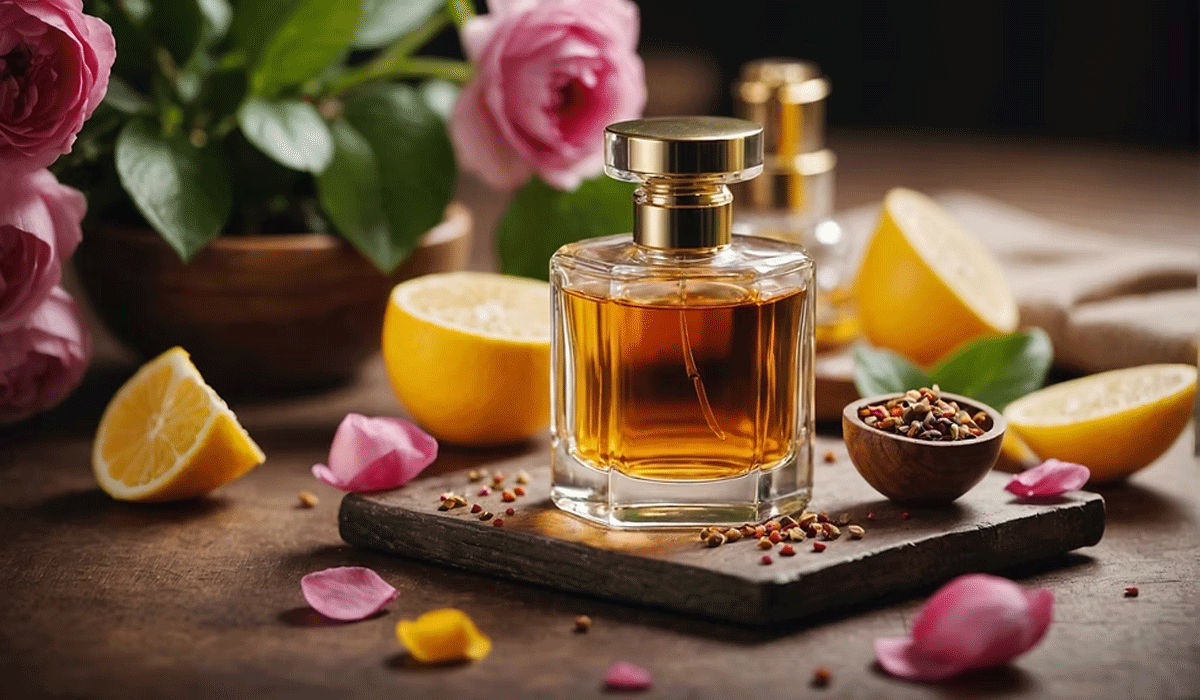
Some of the most fascinating perfume ingredients come from unexpected sources. Citrus peels, spices like cinnamon and cardamom, and even certain herbs contribute unique layers to fragrance compositions. These ingredients are often used as top notes, providing a fresh and invigorating opening that captures attention instantly.
In addition, certain rare materials, such as ambergris or natural musk (historically used, though now largely replaced for ethical reasons), have played a significant role in shaping the identity of luxury perfumes.
Conclusion
The world of perfumery is deeply rooted in the use of natural ingredients, each contributing its own unique story and sensory experience. Their complexity and authenticity continue to inspire both traditional and modern fragrance creators.
As consumers become more interested in transparency and sustainability, the appreciation for natural ingredients is only growing. Understanding the origins and roles of these components not only enhances our enjoyment of perfumes but also deepens our respect for the craftsmanship behind every bottle.
For the latest and most interesting related information, you can also click the TEACHING link.
Image Source:
First Image from elevated-classics.com
Second Image from cabernetcandles.com