Fashion Trends in 2026
The fashion industry continues to evolve rapidly as new ideas, technologies, and cultural influences shape the way people dress around the world.
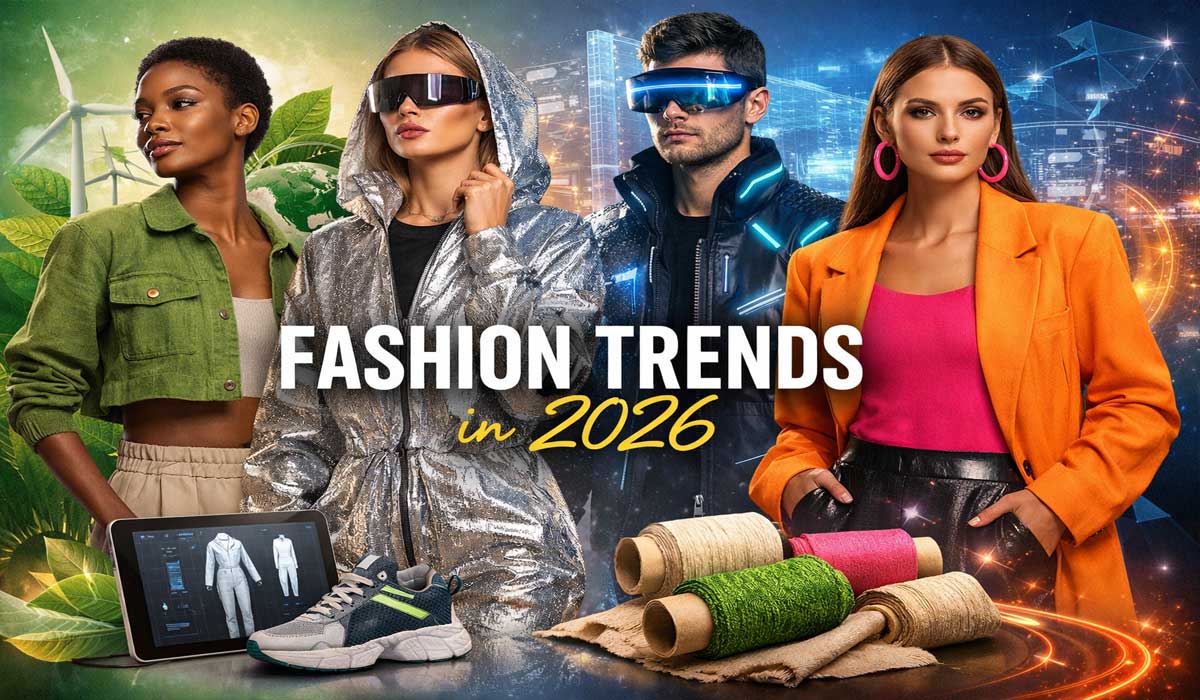
Consumers are also becoming more conscious about what they wear. Many people are now prioritizing comfort, eco-friendly materials, and versatile designs that can be used for different occasions. As a result, fashion trends in 2026 highlight creativity, practicality, and environmental awareness, making the industry more dynamic and forward-thinking than ever before.
Sustainable Fashion Becomes the New Standard
One of the most significant fashion trends in 2026 is the continued rise of sustainable clothing. Brands are increasingly using recycled fabrics, organic cotton, plant-based dyes, and environmentally friendly manufacturing processes. Consumers are now more aware of the environmental impact of fast fashion, which has encouraged many companies to adopt greener production practices.
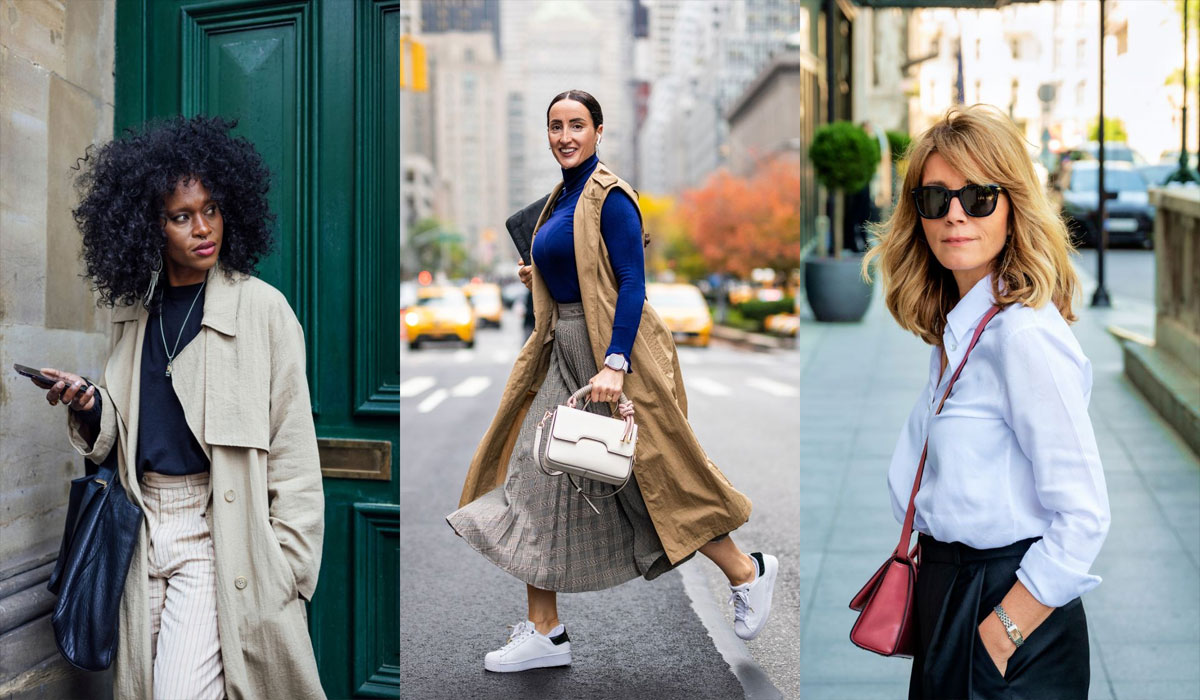
Beyond materials, sustainability also influences design philosophy. Clothing is now being created with durability and longevity in mind. Capsule wardrobes, timeless pieces, and multifunctional garments are gaining popularity. These designs allow individuals to own fewer clothes while still maintaining a stylish and versatile wardrobe, reducing waste and promoting responsible fashion consumption.
Digital Fashion and Virtual Style
Technology is playing an important role in shaping fashion trends in 2026. Digital fashion, which includes virtual clothing used in online platforms and virtual environments, is becoming increasingly popular. Fashion brands are designing digital outfits for avatars in virtual spaces, gaming environments, and social media platforms.
Augmented reality and artificial intelligence are also transforming how people shop for clothing. Virtual fitting rooms allow customers to see how garments will look on their bodies without physically trying them on. This innovation improves online shopping experiences while reducing product returns, making fashion technology both practical and environmentally beneficial.
Bold Colors and Creative Patterns
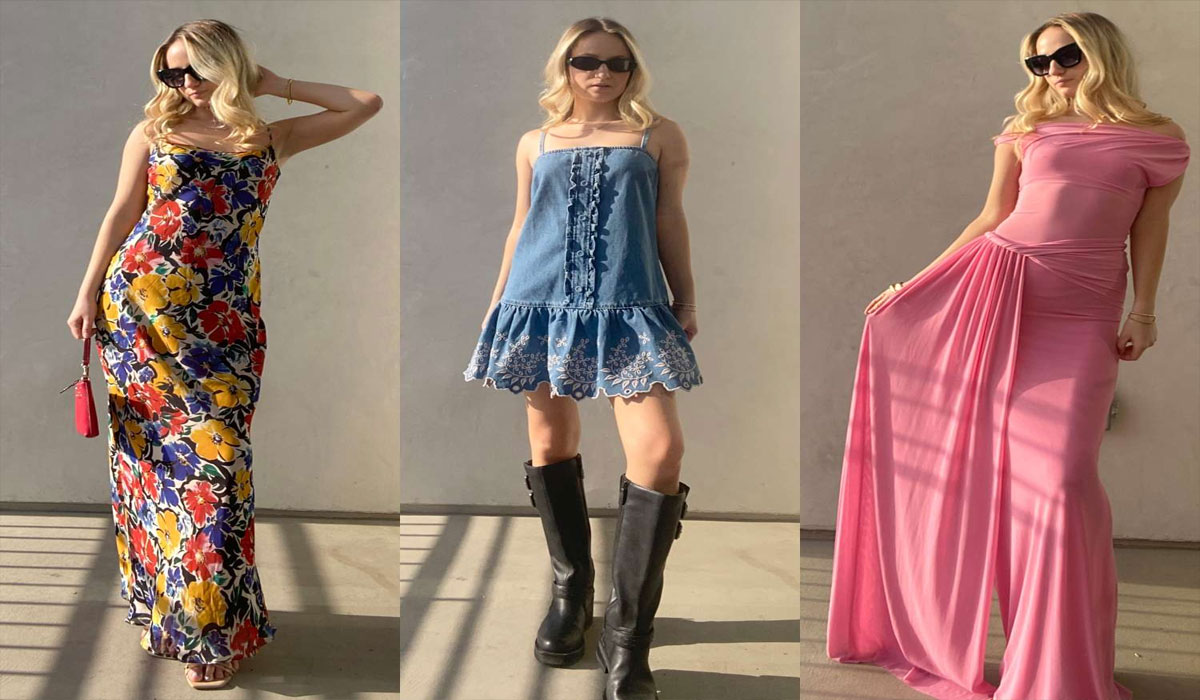
Another noticeable trend in 2026 is the return of bold colors and expressive patterns. Designers are embracing vibrant palettes such as electric blue, neon green, bright orange, and deep purple. These colors reflect a sense of optimism and individuality, encouraging people to express their personalities through their clothing.
Patterns are also becoming more experimental. Abstract graphics, oversized florals, digital-inspired prints, and artistic textures are appearing on dresses, jackets, and accessories. The goal is to make fashion more playful and visually engaging while allowing individuals to stand out confidently in their everyday style.
Read Also: The Secret To Glowing Skin With Facial And Body Spa Treatments
Comfort and Functionality in Everyday Wear
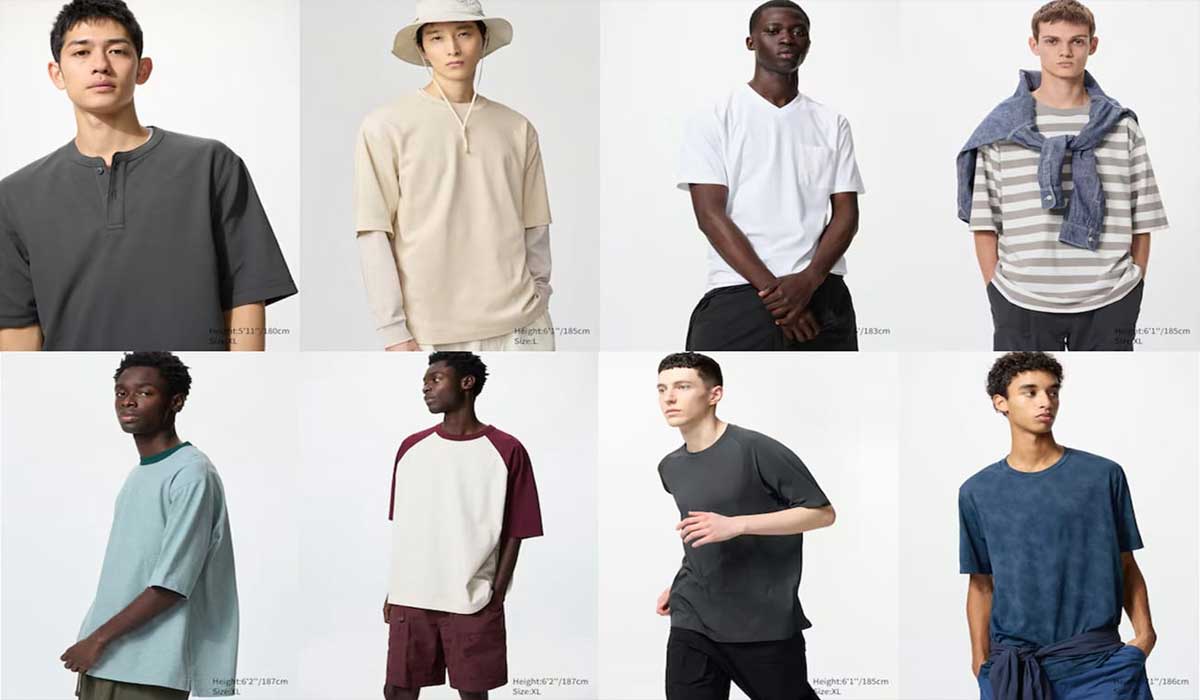
Comfort continues to be a major influence on fashion trends in 2026. After years of shifting work environments and lifestyle changes, people are prioritizing clothing that feels comfortable without sacrificing style. Relaxed silhouettes, breathable fabrics, and flexible materials dominate many collections from global fashion brands.
Functionality is also becoming essential. Clothing with hidden pockets, adjustable designs, weather-resistant fabrics, and travel-friendly materials is gaining popularity. These practical elements allow garments to serve multiple purposes, making them ideal for busy lifestyles while still maintaining a fashionable appearance.
Futuristic Influences and Innovative Materials
Futuristic aesthetics are another key element of fashion trends in 2026. Designers are experimenting with metallic fabrics, reflective textures, and advanced materials that create a modern, space-inspired look. These elements are often combined with minimalistic silhouettes to create garments that feel innovative and visually striking.
In addition to appearance, innovative materials are improving performance. Smart fabrics capable of regulating temperature, repelling water, or adapting to environmental conditions are beginning to enter mainstream fashion. These technologies highlight how fashion is evolving beyond aesthetics to include functionality and advanced design.
Conclusion
Fashion trends in 2026 demonstrate how the industry continues to evolve by combining creativity, technology, and sustainability. Designers are embracing bold colors, innovative materials, and digital solutions that redefine how clothing is produced, sold, and experienced. At the same time, consumers are becoming more thoughtful about their choices, favoring quality and eco-conscious designs.
As fashion moves forward, the focus will likely remain on individuality, practicality, and environmental responsibility. By blending traditional craftsmanship with modern technology, the fashion world is creating a future where style is not only visually appealing but also meaningful and sustainable for generations to come.
Image Source:
First Image from fashionbooks.uk
Second Image from raplib.com