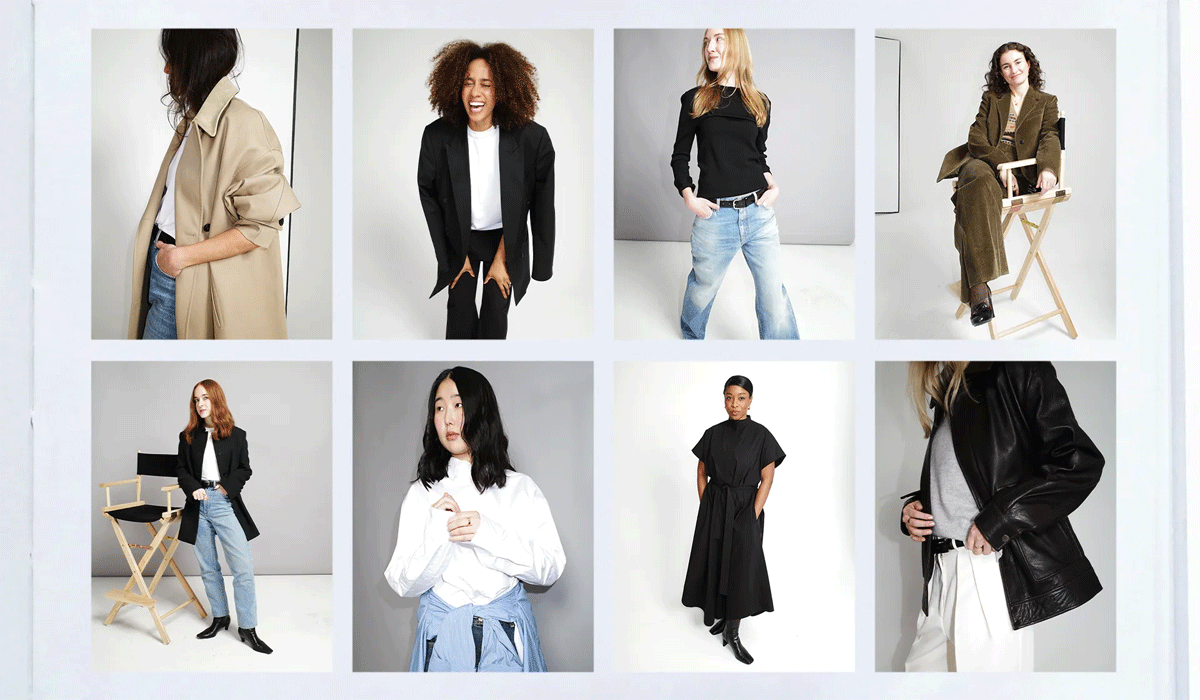
Fashion Style and the Influence of Social Media in the World of Fashion
An exploration of how social media Influence shape fashion styles, trends and identities, and transforms today’s global fashion industry.
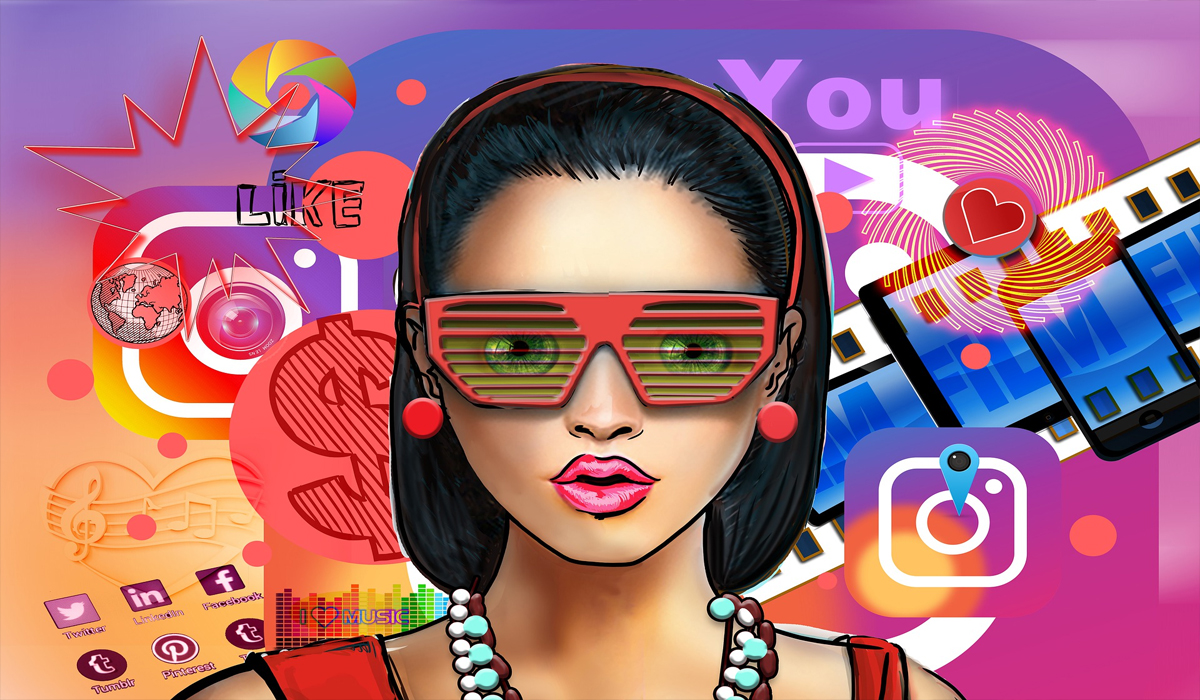
Fashion has always been a reflection of culture, identity, and social change. From traditional clothing to modern streetwear, fashion evolves alongside society. In recent years, social media has become one of the most influential forces shaping the global fashion industry. Platforms like Instagram, TikTok, Pinterest, and YouTube have transformed the way fashion trends are created, shared, and consumed. Social media influence not only affects what people wear, but also how fashion brands communicate with their audience and define style.
The Evolution of Fashion Style in the Digital Era
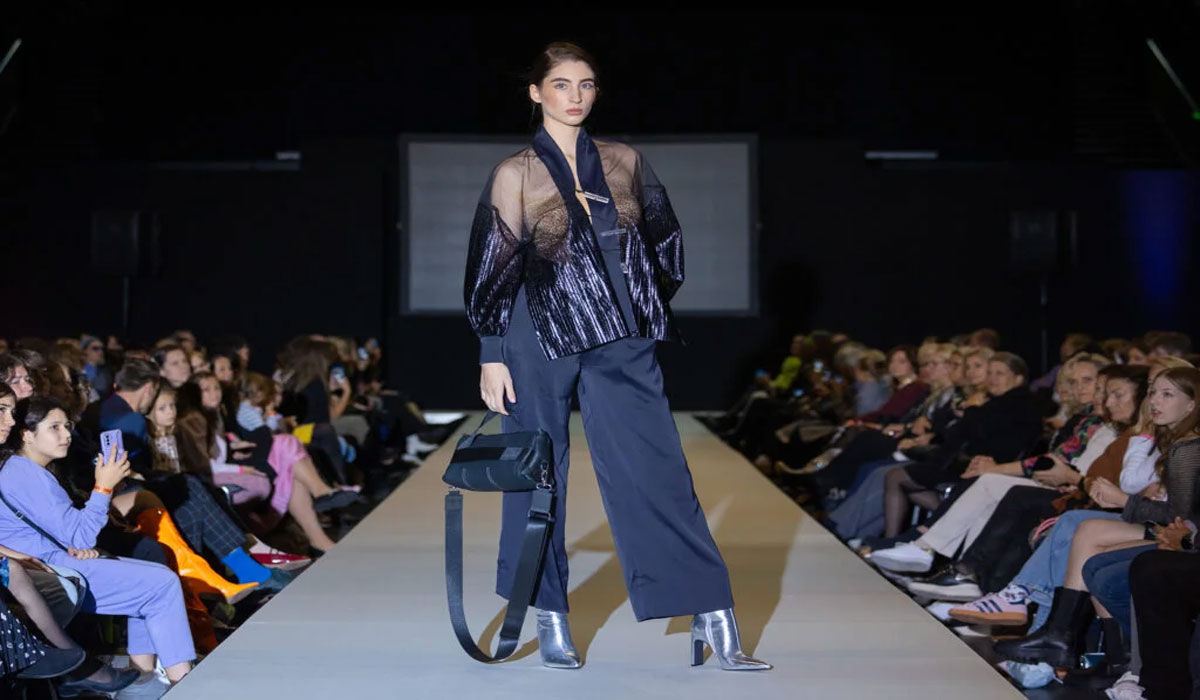
Fashion style traditionally developed through designers, fashion houses, magazines, and runway shows. Trends were dictated by industry experts and filtered down to consumers over time. However, the rise of social media has shifted this top-down model into a more democratic and fast-paced system. Today, anyone with an internet connection can influence fashion trends.
Digital platforms allow users to showcase personal style instantly to a global audience. Street fashion, once limited to specific cities, now reaches millions of viewers within seconds. As a result, fashion styles are more diverse, experimental, and inclusive. Consumers are no longer passive followers of trends they actively participate in shaping them through likes, shares, and comments.
Social Media as a Trend Accelerator
One of the most significant impacts of social media on fashion is the speed at which trends emerge and fade. A single viral video or post can popularize a clothing item overnight. Trends such as oversized blazers, cargo pants, or vintage aesthetics gained popularity largely due to repeated exposure on social media platforms.
Hashtags, challenges, and algorithm-driven content help trends spread rapidly across different regions and cultures. This acceleration has contributed to the rise of “micro-trends,” which may last only a few weeks or months. While this creates excitement and variety, it also challenges consumers and brands to keep up with constant change.
The Role of Influencers and Content Creators
Fashion influencers and content creators play a central role in shaping modern fashion styles. These individuals build personal brands based on their aesthetic, lifestyle, and authenticity. Unlike traditional celebrities, influencers often appear more relatable, making their fashion choices feel attainable to followers.
Brands collaborate with influencers to promote products through sponsored posts, styling videos, and reviews. This marketing approach feels more organic than traditional advertising and strongly impacts purchasing decisions. Influencers also help introduce niche styles, sustainable fashion, and cultural fashion elements to wider audiences, expanding the definition of what is considered fashionable.
Also Read: Fashion Isn’t Just a Trend! Here’s a Complete Guide to Always Look Stylish
The Impact on Fashion Brands and Marketing Strategies
Social media has transformed how fashion brands operate and market their products. Instead of relying solely on seasonal collections and runway shows, brands now engage with consumers daily through digital content. Visual storytelling, behind-the-scenes footage, and interactive campaigns help brands build emotional connections with audiences.
Data from social media platforms also allows brands to analyze consumer preferences in real time. This insight helps them design products that align with current trends and customer demands. However, the pressure to remain relevant can lead to overproduction and ethical concerns, pushing the industry to rethink sustainability and responsible fashion practices.
Social Media and the Rise of Individual Expression
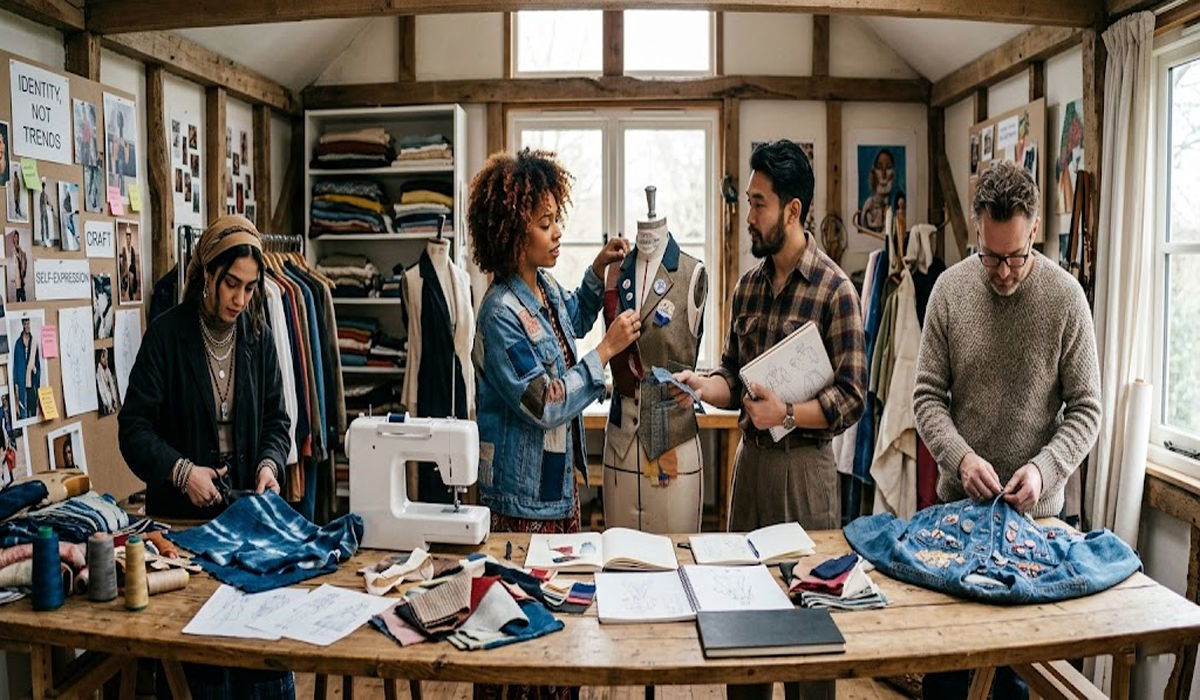
Beyond trends and marketing, social media empowers individuals to use fashion as a form of self-expression. Users are encouraged to experiment with styles that reflect their identity, values, and creativity rather than strictly following mainstream fashion rules. This has increased visibility for diverse body types, genders, and cultural backgrounds within fashion spaces.
Movements promoting body positivity, gender-neutral fashion, and sustainable clothing have gained momentum largely due to social media advocacy. Fashion is no longer just about appearance it has become a platform for social messages and personal storytelling.
The influence of social media on fashion style is undeniable. It has reshaped how trends are created, shared, and interpreted, making fashion more accessible and interactive than ever before. While the rapid pace of change presents challenges such as overconsumption and trend fatigue, it also opens opportunities for creativity, inclusivity, and innovation.